
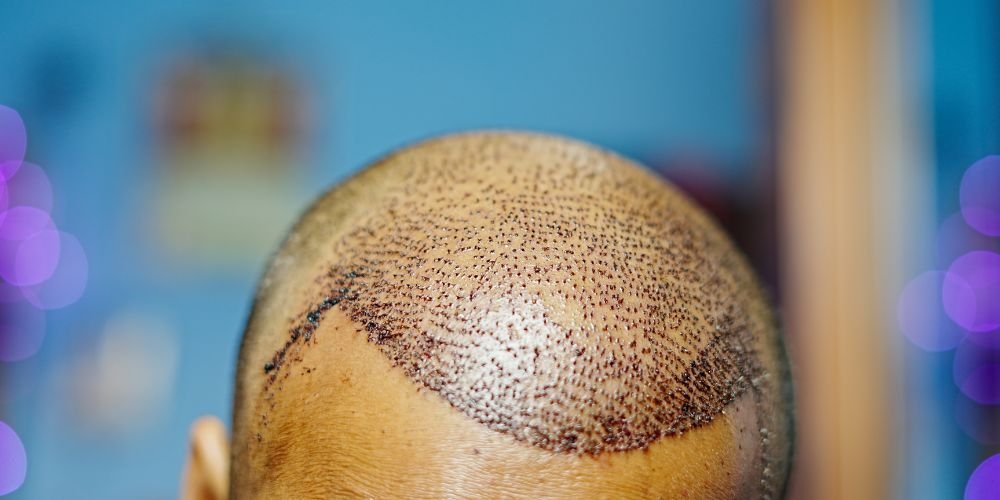
A successful Hair Transplant does not end when the procedure is completed. The recovery period plays a major role in achieving natural, healthy, and long-lasting results. One of the most common questions patients ask after surgery is: When is it safe to wear a hat or helmet after a Hair Transplant?
This concern is valid because newly transplanted grafts are extremely delicate during the first few days. Any unnecessary pressure, friction, or sweating can affect healing and potentially damage graft survival.
In this guide, we’ll explain when you can safely wear hats and helmets after a Hair Transplant, what precautions to follow, and how to protect your scalp during recovery.
Why Post-Transplant Care Matters
During a Hair Transplant, hair follicles are carefully implanted into the recipient area. These grafts need time to settle and establish blood supply. The first 7-14 days are considered the most sensitive stage of healing.
Improper handling of the scalp during this period may lead to:
- Dislodged grafts
- Infection risk
- Delayed healing
- Poor hair growth results
- Increased swelling or irritation
This is why doctors usually provide strict aftercare instructions regarding touching the scalp, sleeping position, washing, and wearing headgear after a Hair Transplant.
Can You Wear a Hat After a Hair Transplant?
Yes, but timing is extremely important.
First 3 Days: Avoid Any Hat Completely
For the initial 72 hours after your Hair Transplant, avoid wearing:
- Caps
- Beanies
- Tight hats
- Helmets
- Hoodies touching the scalp
The grafts are not yet secure, and even light friction may disturb them.
After 3-7 Days: Loose Hats May Be Allowed
Some surgeons allow patients to wear a very loose and soft hat after the third or fourth day. However, this depends on:
- Healing progress
- Number of grafts
- Technique used (FUE or FUT)
- Surgeon recommendations
If permitted, choose:
- Loose-fitting caps
- Soft cotton material
- Adjustable hats
- Clean and breathable fabric
Avoid tight pressure on transplanted areas after a Hair Transplant.
When Can You Wear a Helmet After a Hair Transplant?
Helmets require more caution because they create direct pressure and sweating.
Generally Recommended Timeline
| Time After Hair Transplant | Helmet Usage |
| First 7 Days | Strictly avoid |
| 7-14 Days | Usually not recommended |
| After 2 Weeks | Light use may be allowed |
| After 3-4 Weeks | Most patients can safely wear helmets |
Motorcycle helmets, construction helmets, and sports helmets can rub against grafts and create excessive sweating during the early recovery stage.
Always consult your surgeon before wearing a helmet after a Hair Transplant.
Why Helmets Can Be Risky Too Early
Wearing a helmet too soon after a Hair Transplant may cause:
1. Friction Damage
The inner padding may rub against grafts.
2. Sweat Accumulation
Sweating increases bacterial growth and irritation.
3. Pressure on Implanted Follicles
Tight helmets can compress healing grafts.
4. Delayed Recovery
Poor ventilation may slow scalp healing.
Tips for Wearing a Hat Safely After a Hair Transplant
If your doctor allows hat usage, follow these precautions:
Choose Breathable Fabric
Use soft cotton or lightweight material.
Keep It Loose
Never wear tight caps that press against grafts.
Maintain Hygiene
Wash hats regularly to avoid infection risk.
Limit Duration
Avoid wearing hats for long continuous hours initially.
Remove Carefully
Do not drag the hat across the scalp while removing it.
Tips Before Wearing a Helmet Again
When returning to helmet use after a Hair Transplant:
- Ensure scabs have completely healed
- Use a clean helmet liner
- Avoid overly tight helmets
- Limit sweating during early weeks
- Take breaks during long rides
Patients who ride motorcycles daily should discuss recovery planning with their hair transplant specialist beforehand.
Signs You May Be Wearing Headgear Too Early
Stop using hats or helmets and contact your clinic if you notice:
- Bleeding
- Increased redness
- Pain or tenderness
- Swelling
- Pus or infection signs
- Graft displacement
Proper recovery is essential for the long-term success of a Hair Transplant.
Recovery Timeline After a Hair Transplant
Here’s a general healing overview:
Days 1-3
- Grafts are highly sensitive
- Avoid touching scalp
- No hats or helmets
Days 4-7
- Mild healing begins
- Loose cap may be allowed
Weeks 2-3
- Scabs usually fall off
- Light helmet use may begin
After 1 Month
- Most patients resume normal activities comfortably
Recovery can vary from person to person after a Hair Transplant.
Wearing a hat or helmet too soon after a Hair Transplant can interfere with healing and affect graft survival. While loose hats may sometimes be allowed after a few days, helmets usually require at least 2-4 weeks before safe use.
Following your surgeon’s aftercare instructions carefully is the best way to protect your investment and achieve natural-looking hair growth.
A successful Hair Transplant depends not only on the procedure itself but also on proper recovery and scalp care afterward.
Leave a reply