
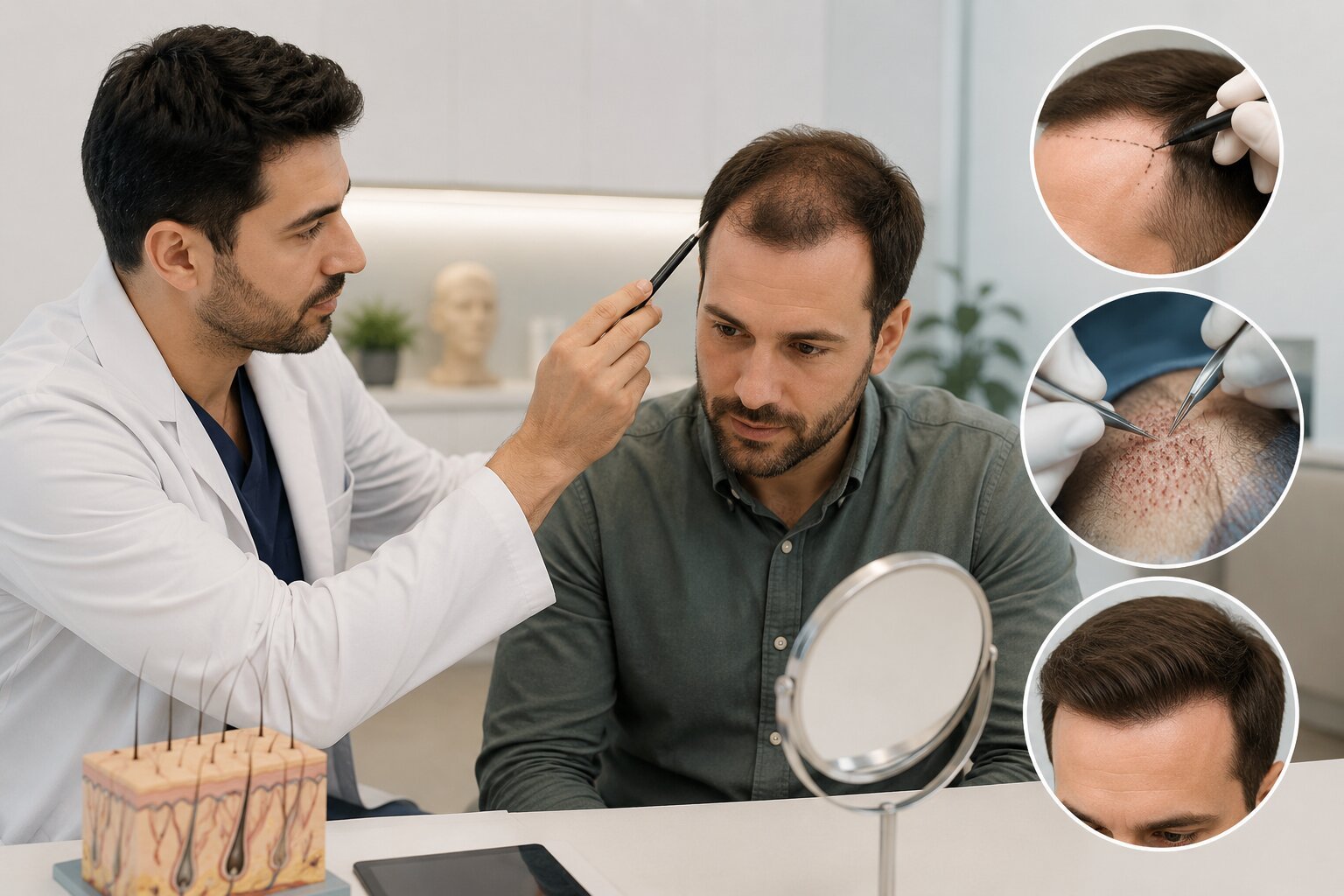
Hair loss can affect confidence, appearance, and emotional well-being. With advancements in cosmetic procedures, hair transplants have become one of the most popular and effective solutions for restoring natural hair growth. However, many people still ask an important question: Are hair transplants safe?
The short answer is yes-when performed by a qualified and experienced specialist, hair transplants are generally considered safe and effective. In this article, we will fact-check common myths, explain the procedure, discuss risks, and help you understand what to expect before choosing a hair transplant treatment.
What Is a Hair Transplant?
A hair transplant is a minimally invasive cosmetic procedure that involves moving healthy hair follicles from one part of the scalp (usually the back or sides) to areas experiencing hair thinning or baldness.
The two most common techniques are:
1. FUE (Follicular Unit Extraction)
In this method, individual hair follicles are extracted and implanted into the target area. It leaves minimal scarring and has a faster recovery time.
2. FUT (Follicular Unit Transplantation)
This method involves removing a strip of scalp containing hair follicles and transplanting them into bald areas.
Both methods are widely used and considered safe when performed under proper medical supervision.
Fact Check: Are Hair Transplants Really Safe?
Yes, Hair Transplants Are Safe When Done Professionally
Hair transplant procedures have been performed successfully for decades. Modern techniques, advanced tools, and improved hygiene standards have made the process much safer and more comfortable than before.
Qualified hair transplant surgeons follow strict medical protocols to reduce risks and ensure patient safety.
Common Myths About Hair Transplants
Myth 1: Hair Transplants Are Dangerous
This is false. Hair transplants are generally low-risk procedures. Since the treatment uses your own hair follicles, the risk of allergic reactions is extremely low.
Most patients return to normal activities within a few days.
Myth 2: Hair Transplants Look Fake
Older hair transplant techniques sometimes produced unnatural results. Today, advanced methods like FUE create natural-looking hairlines and density when performed by skilled professionals.
Myth 3: Hair Transplants Cause Brain Damage
This is completely false. Hair transplant procedures only involve the scalp and hair follicles. They do not affect the brain or nervous system.
Possible Side Effects of Hair Transplants
Although hair transplants are safe, like any medical procedure, there can be minor side effects. These are usually temporary and manageable.
Common side effects include:
- Mild swelling
- Redness on the scalp
- Temporary discomfort
- Itching
- Scabbing
- Temporary shedding of transplanted hair
These symptoms usually disappear within a few days to weeks.
Rare Risks to Know
Complications are uncommon but may occur if the procedure is done by inexperienced or unqualified practitioners.
Potential risks include:
- Infection
- Poor hair growth
- Scarring
- Uneven hairline
- Damage to existing hair
Choosing a certified and experienced hair transplant clinic significantly reduces these risks.
Who Is a Good Candidate for Hair Transplant?
Hair transplants work best for people who:
- Have pattern baldness
- Have enough donor hair available
- Are in good overall health
- Have realistic expectations
A proper consultation with a hair restoration specialist is important before undergoing treatment.
How to Make Hair Transplant Safer
To ensure the best and safest results, follow these important tips:
Choose an Experienced Surgeon
Always select a qualified hair transplant expert with proven experience and positive patient reviews.
Verify Clinic Hygiene Standards
A professional clinic should maintain proper sterilization and safety protocols.
Discuss Medical History
Inform your doctor about medications, allergies, or health conditions before treatment.
Follow Aftercare Instructions
Proper post-procedure care helps reduce infection risk and improves healing.
Recovery After Hair Transplant
Recovery is generally quick and straightforward.
First Week
- Mild swelling and redness may occur
- Tiny scabs form around grafts
- Avoid touching or scratching the scalp
First Month
- Transplanted hair may shed temporarily
- New growth starts gradually
3 to 12 Months
- Visible hair growth improves
- Full results become noticeable over time
Patience is important because hair restoration is a gradual process.
Benefits of Hair Transplant
Hair transplant procedures offer several long-term advantages:
- Natural-looking results
- Permanent hair growth
- Improved confidence
- Minimal maintenance
- Safe and proven treatment option
Unlike temporary hair loss solutions, transplanted hair typically continues to grow naturally for years.
Final Verdict: Are Hair Transplants Safe?
Yes, hair transplants are considered safe, effective, and reliable when performed by skilled professionals using modern techniques. The procedure has helped millions of people worldwide regain confidence and achieve natural hair restoration.
However, safety depends heavily on choosing the right clinic and experienced surgeon. Always research carefully, ask questions during consultation, and avoid low-cost treatments that compromise quality and hygiene.
If you are struggling with hair loss and considering a permanent solution, a professionally performed hair transplant can be a safe and life-changing option.
Frequently Asked Questions (FAQs)
Is hair transplant painful?
Hair transplant procedures are usually performed under local anesthesia, so pain is minimal.
Can transplanted hair fall out?
Temporary shedding is normal after the procedure, but the transplanted follicles typically grow back permanently.
How long does a hair transplant last?
Hair transplants are generally permanent because the transplanted follicles are resistant to hair loss.
Is there any age limit for hair transplant?
Most experts recommend hair transplant treatment for adults over 25 years old after evaluating hair loss patterns.
Are hair transplant results natural?
Yes, modern techniques like FUE can provide highly natural-looking results.
Leave a reply