
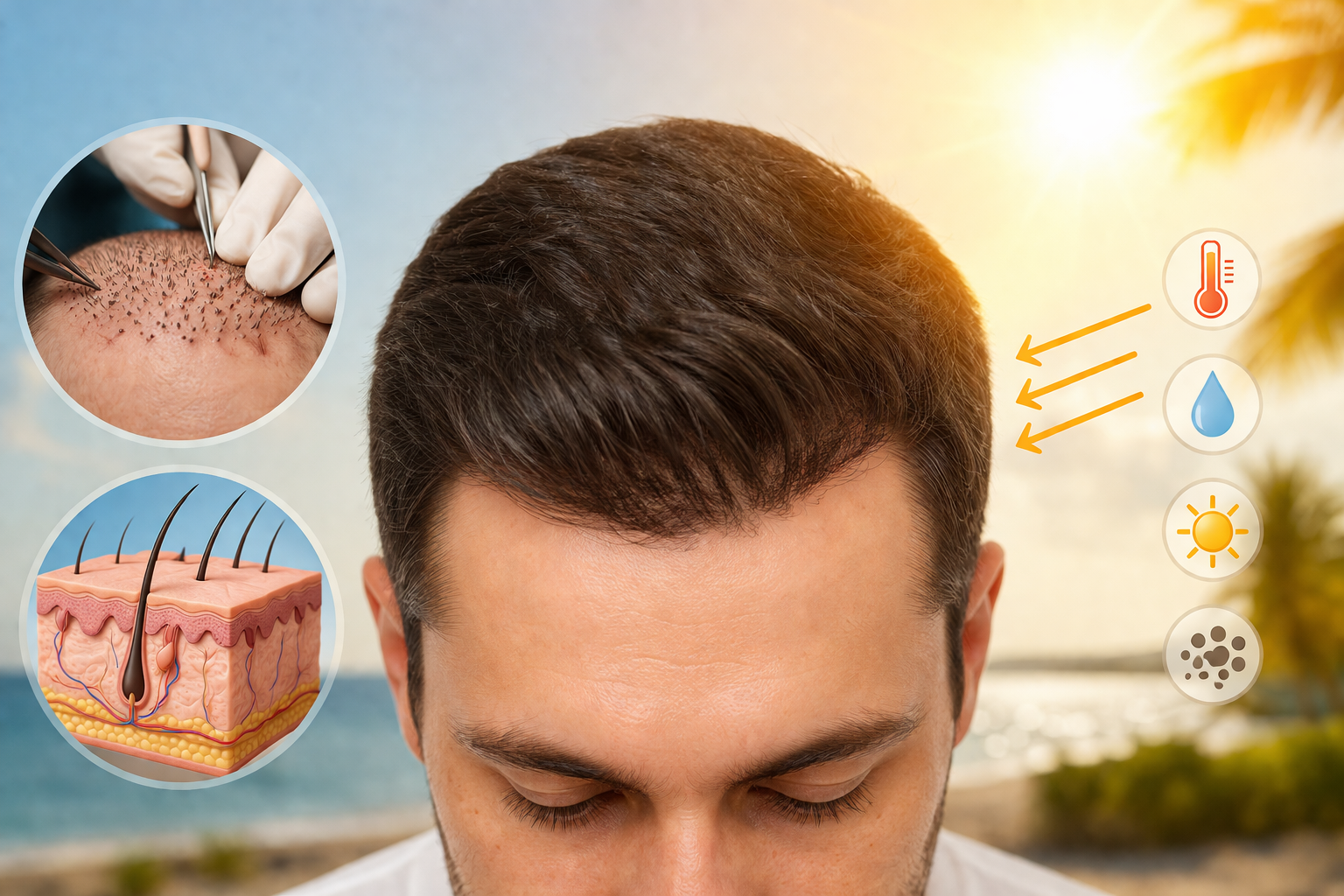
When people think about hair transplants, they usually focus on results-thicker hair, improved confidence, and a more youthful appearance. But one factor that often gets overlooked is weather, especially hot climates like we experience in India.
If you’re considering a hair transplant or have recently undergone one, understanding how heat impacts healing is crucial. Platforms like Tricho Talk, which work like a casting system to connect patients with the most suitable hair transplant doctors, emphasize timing, aftercare, and environment as key success factors.
In this guide, we’ll break down exactly how hot weather affects hair transplants-and what you can do to protect your results.
Why Weather Matters After a Hair Transplant
A hair transplant is a minor surgical procedure where hair follicles are extracted (usually from the back of the scalp) and implanted into thinning or balding areas.
After the procedure, your scalp becomes:
- Sensitive
- Prone to infection
- Dependent on proper healing conditions
Hot weather introduces challenges like sweating, sun exposure, and dehydration, all of which can interfere with recovery.
1. Excessive Sweating Can Affect Healing
In hot weather, sweating increases significantly. This can create problems such as:
- Infection risk: Sweat contains bacteria that can irritate the scalp
- Dislodging grafts: Newly implanted hair grafts are delicate for the first 7-10 days
- Delayed healing: Constant moisture can slow scab formation and healing
What to Do:
- Avoid outdoor activities during peak heat
- Stay in a cool, air-conditioned environment
- Follow your doctor’s scalp cleaning instructions carefully
2. Sun Exposure Can Damage Transplanted Grafts
Direct sunlight is one of the biggest threats after a hair transplant.
Why it’s harmful:
- UV rays can damage sensitive scalp tissue
- It may cause burning or pigmentation issues
- Heat can weaken newly implanted follicles
Expert Tip:
For at least 2-3 weeks post-procedure, avoid direct sun exposure. If stepping out is necessary:
- Wear a loose, breathable cap (only after doctor approval)
- Avoid tight headgear that touches grafts
3. Risk of Dehydration Impacts Recovery
Hot weather increases fluid loss, which can affect:
- Blood circulation
- Nutrient delivery to hair follicles
- Overall healing speed
Hydration Matters:
Drink plenty of water and include:
- Coconut water
- Fresh juices
- Electrolytes
Healthy hydration supports faster recovery and stronger graft survival.
4. Increased Itching and Irritation
Heat often leads to:
- Scalp itching
- Redness
- Inflammation
Scratching can be dangerous because it may:
- Dislodge grafts
- Cause scarring
- Lead to infection
How to Manage:
- Use only prescribed sprays or lotions
- Avoid touching the scalp unnecessarily
- Keep your environment cool
5. Higher Infection Risk in Humid Conditions
Hot and humid climates create the perfect environment for bacteria to thrive.
Possible Issues:
- Folliculitis (infection of hair follicles)
- Swelling or pus formation
- Delayed healing
Prevention Tips:
- Maintain strict hygiene
- Avoid crowded or polluted environments
- Follow all post-op instructions given by your specialist
6. Sleep Discomfort Due to Heat
After a hair transplant, proper sleeping posture is essential. But hot weather can make it uncomfortable, leading to:
- Excessive sweating at night
- Unintentional rubbing of the scalp
- Poor sleep quality
Solution:
- Use clean pillow covers
- Sleep in a cool room
- Keep your head elevated as advised
Is Summer a Bad Time for Hair Transplant?
Not necessarily.
Hair transplants can be performed successfully in any season-including summer-if proper precautions are taken. In fact, with guidance from expert platforms like Tricho Talk, patients can connect with experienced doctors who tailor aftercare plans based on climate and lifestyle.
Best Time to Get a Hair Transplant
While procedures are done year-round, many experts suggest:
- Winter or cooler months for easier recovery
- Or planning your procedure when you can stay indoors for at least 10-14 days
However, your schedule, availability, and access to proper care matter more than just the season.
Post-Transplant Care Tips for Hot Weather
Here’s a quick checklist to protect your hair transplant in summer:
Stay indoors during peak heat (11 AM – 4 PM)
Avoid sweating and strenuous activity
Keep your scalp clean and dry
Stay hydrated
Follow medication and washing instructions strictly
Avoid direct sunlight
Don’t wear tight caps or helmets early on
Choosing the Right Clinic Matters
A successful hair transplant isn’t just about the procedure-it’s about expert guidance before and after surgery.
While clinics like Dr Khullar Dental Clinic are known for their commitment to patient care and advanced treatment planning, it’s equally important to consult specialists who understand hair restoration in detail.
This is where Tricho Talk becomes valuable. It works like a casting system, analyzing your condition and recommending the most suitable hair transplant doctor for your needs-ensuring better outcomes and safer recovery.
FAQs
Q1. Can I go outside after a hair transplant in summer?
Yes, but avoid direct sunlight and heat exposure for at least 2-3 weeks.
Q2. Does sweating damage hair transplant results?
Excessive sweating can increase infection risk and affect healing, so it should be minimized.
Q3. How long should I avoid sun after a transplant?
Ideally, avoid direct sun exposure for 2-3 weeks or as advised by your doctor.
Q4. Is AC necessary after a hair transplant in summer?
While not mandatory, staying in a cool environment significantly helps recovery.
Hot weather can definitely pose challenges after a hair transplant-but it doesn’t mean you need to delay your plans. With the right precautions, expert advice, and disciplined aftercare, you can achieve excellent results regardless of the season.
The key is simple:
Protect your scalp, follow medical guidance, and give your grafts the environment they need to thrive.
Leave a reply