
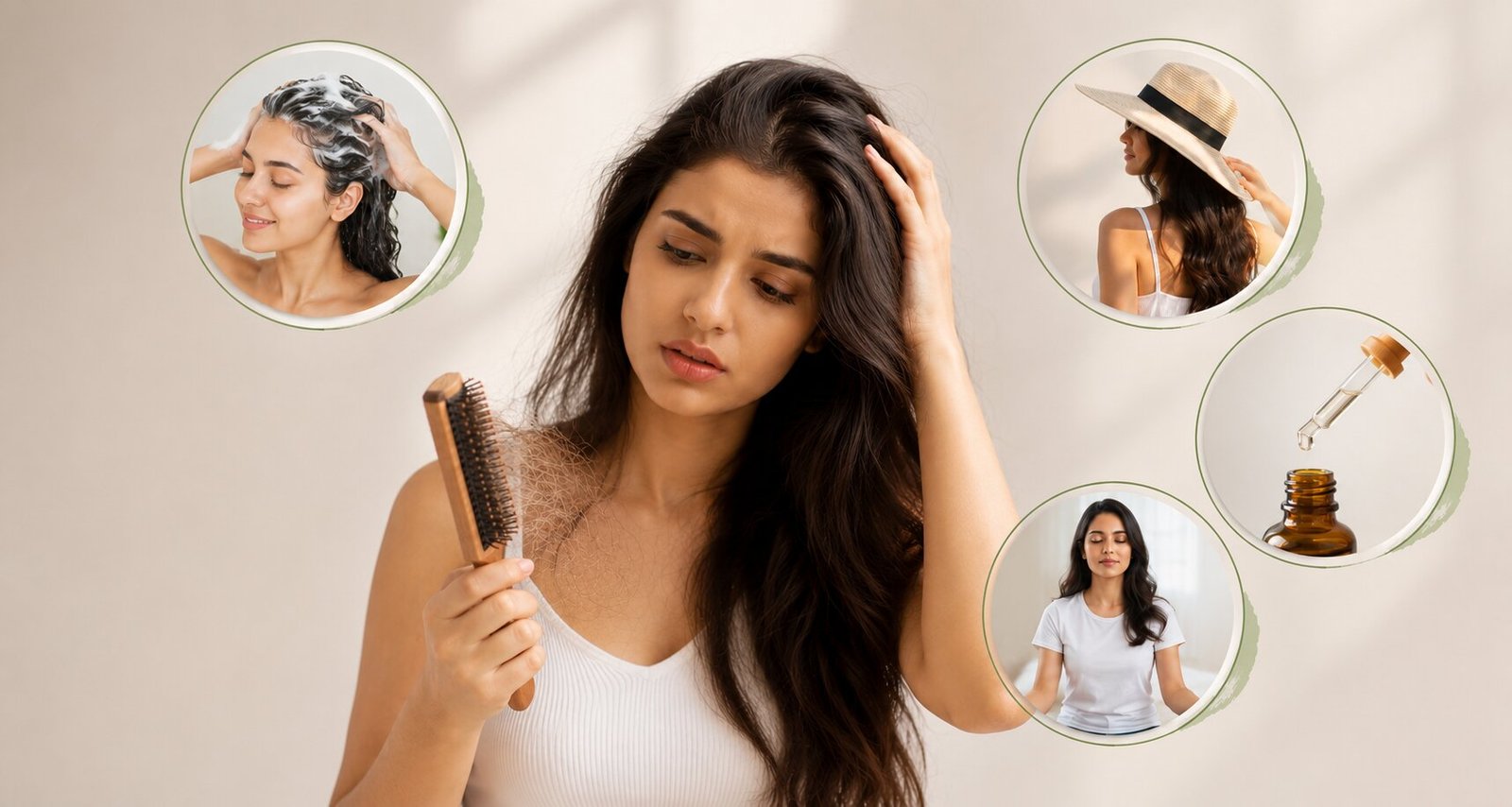
Summer can be harsh on your hair. Excessive sweating, humidity, sun exposure, dust, and dehydration often lead to increased hair fall during the hotter months. Many people notice more hair strands on their pillow, comb, or shower drain in summer and wonder if it is normal. While seasonal hair fall can happen, ignoring it may worsen the problem over time.
The good news is that with the right care and professional guidance, summer hair fall can be controlled effectively. Whether your hair loss is mild or severe, understanding the root cause is the first step toward healthier hair.
At Tricho Talk, patients can connect with experienced hair specialists and find the right doctor for their concerns. Tricho Talk works like a casting platform to suggest the best doctor to someone who needs a hair transplant or advanced hair restoration treatment.
Why Does Hair Fall Increase In Summer?
Hair fall during summer is usually triggered by several environmental and lifestyle factors, such as:
- Excessive sweating on the scalp
- Dehydration and poor nutrition
- Increased exposure to UV rays
- Humidity causing scalp infections
- Frequent hair washing with harsh shampoos
- Heat styling and chemical treatments
If not managed properly, these factors can weaken hair roots and lead to thinning, dandruff, and scalp irritation.
1. Keep Your Scalp Clean And Sweat-Free
Sweat and oil buildup on the scalp create the perfect environment for dandruff and fungal infections. An unhealthy scalp weakens hair follicles and contributes to hair fall.
Tips To Maintain A Healthy Scalp:
- Wash your hair 2-3 times a week using a mild shampoo
- Avoid using very hot water on your scalp
- Keep your scalp dry after sweating
- Use lightweight hair products during summer
A clean scalp improves blood circulation and supports healthy hair growth.
2. Stay Hydrated And Eat Hair-Friendly Foods
Your hair health reflects your internal nutrition. Dehydration during summer can make hair dry, brittle, and weak.
Foods That Help Reduce Hair Fall:
- Green leafy vegetables
- Nuts and seeds
- Eggs and lean proteins
- Seasonal fruits rich in Vitamin C
- Plenty of water and fresh juices
Biotin, iron, zinc, and protein are essential nutrients that strengthen hair roots and reduce breakage.
3. Protect Your Hair From Sun Damage
Just like your skin, your hair and scalp can also suffer from sun damage. Excessive UV exposure weakens the hair shaft and causes dryness.
Simple Ways To Protect Your Hair:
- Wear a cap or scarf outdoors
- Avoid prolonged direct sun exposure
- Use hair serums with UV protection
- Limit heat styling tools
Protecting your scalp from harsh sunlight helps maintain moisture and prevents hair thinning.
4. Avoid Excessive Chemical And Heat Treatments
Frequent straightening, coloring, rebonding, and blow-drying can damage your hair structure, especially during summer.
What You Should Do:
- Reduce the use of heating tools
- Choose sulfate-free hair products
- Avoid tight hairstyles that pull the roots
- Trim split ends regularly
Gentle hair care practices help reduce stress on the scalp and minimize seasonal hair fall.
5. Consult A Hair Specialist Early
If your hair fall continues despite home remedies and proper care, it may indicate an underlying issue such as hormonal imbalance, genetics, scalp disorders, or nutritional deficiencies.
Consulting a hair expert early can help diagnose the exact cause and prevent further hair loss.
Advanced Hair Loss Treatments Include:
- PRP therapy
- Hair growth medications
- Scalp treatments
- Hair transplant procedures
Finding the right specialist is important for successful treatment outcomes. Tricho Talk helps individuals connect with experienced hair transplant and hair restoration doctors based on their specific needs and concerns.
When Should You Consider A Hair Transplant?
A hair transplant may be recommended if:
- You have significant hair thinning or bald patches
- Hair loss is genetic and progressive
- Non-surgical treatments are not effective
- You want a long-term hair restoration solution
Modern hair transplant techniques offer natural-looking results with minimal downtime when performed by skilled professionals.
Final Thoughts
Hair fall in summer is common, but it should never be ignored. A healthy scalp, balanced diet, proper hydration, and professional guidance can make a major difference in controlling seasonal hair loss.
If you are struggling with persistent hair fall or considering advanced hair restoration solutions, getting expert advice is the best step forward. Tricho Talk simplifies this journey by helping people find the best doctor for hair transplant and hair care treatments based on their unique needs.
Leave a reply