
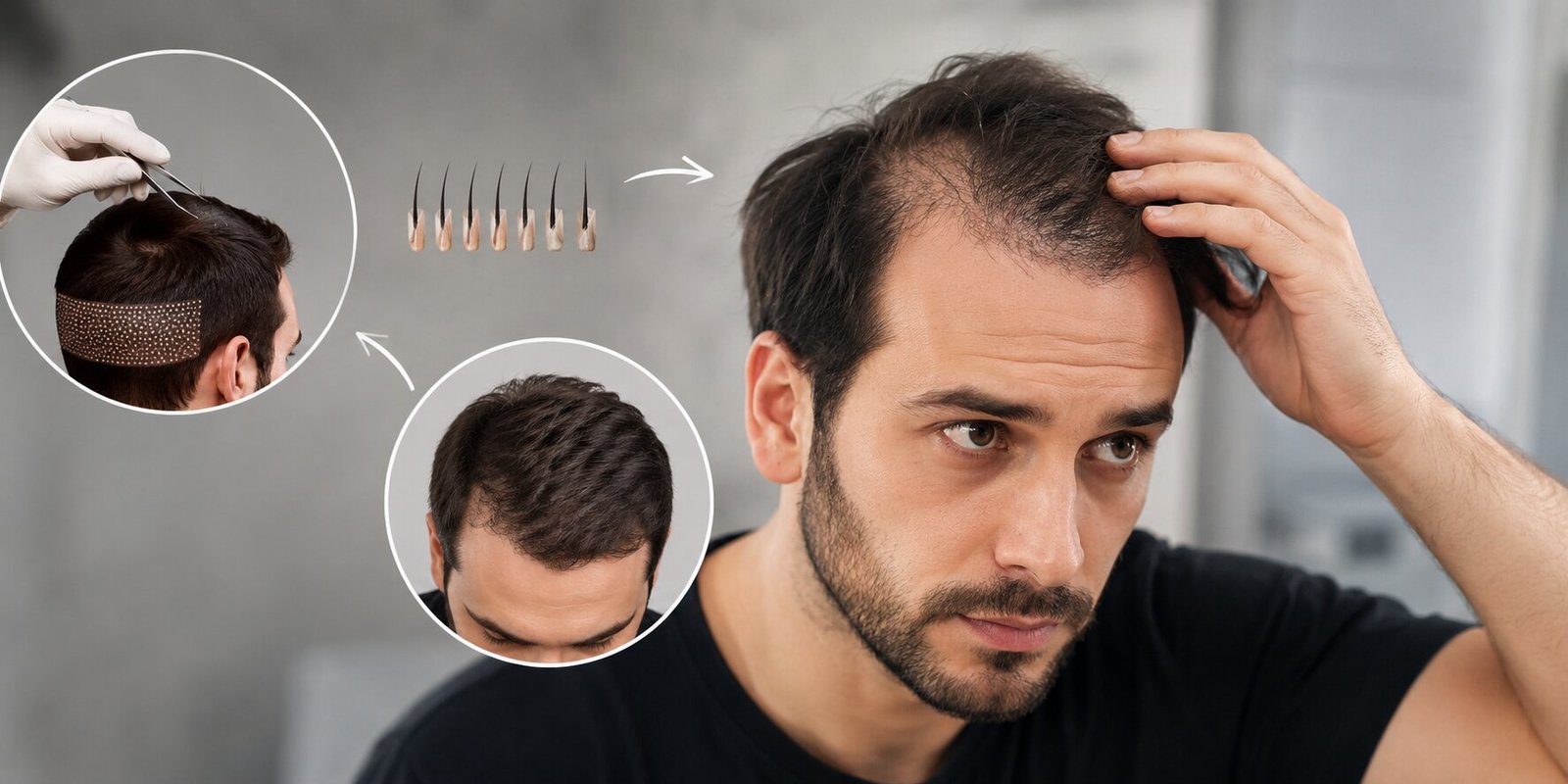
Hair thinning is something many people experience at different stages of life. It can affect confidence and make people feel older than they are. When hair starts becoming thinner, many people begin looking for a permanent solution. One of the most common options they hear about is hair transplantation.
But is a hair transplant really the best solution for thinning hair?
The answer depends on the reason behind your hair loss, your overall hair condition, and whether you are a suitable candidate. In this blog, we’ll explain everything in simple language so you can make an informed decision.
Understanding Hair Thinning
Hair thinning does not happen for the same reason in everyone. Some common causes include:
- Family history of hair loss
- Stress
- Poor nutrition
- Hormonal changes
- Certain medical conditions
- Side effects of medicines
- Aging
Before thinking about a hair transplant, it is important to understand why your hair is thinning. Treating the cause may sometimes slow down or even improve hair loss without surgery.
What Is Hair Transplantation?
Hair transplantation is a procedure where healthy hair follicles are moved from one part of the scalp, usually the back or sides, to areas where the hair has become thin or completely gone.
Since the transplanted hair comes from your own scalp, it usually continues to grow naturally after the procedure.
The goal is to create a fuller and natural-looking hairline.
Is Hair Transplant the Best Solution?
A hair transplant can be an excellent option, but it is not the best choice for everyone.
It is generally suitable if:
- Your hair loss has become stable.
- You have enough healthy donor hair.
- You are in good overall health.
- Your expectations are realistic.
However, if your hair is still thinning rapidly, doctors may first recommend treatments to control further hair loss before considering a transplant.
A proper evaluation by an experienced hair restoration specialist is the only way to know if a transplant is right for you.
Benefits of Hair Transplantation
Many people choose hair transplantation because it offers long-lasting results.
Some of the main benefits include:
Natural Appearance
When performed by an experienced doctor, the transplanted hair blends naturally with your existing hair.
Long-Term Results
Unlike temporary solutions, transplanted hair usually continues to grow for many years.
Low Maintenance
Once the transplanted hair grows, you can wash, cut, and style it just like your natural hair.
Improved Confidence
Many people feel more confident after restoring their hairline and improving hair density.
When a Hair Transplant May Not Be the Right Choice
A hair transplant may not be recommended if:
- Hair loss is caused by a medical condition that has not been treated.
- There is not enough donor hair.
- Hair thinning is still progressing quickly.
- The person expects immediate or unrealistic results.
In these situations, doctors may suggest other treatments before considering surgery.
Other Treatments for Thinning Hair
Hair transplantation is only one option.
Depending on your condition, a doctor may recommend:
- Medicines that help reduce hair loss
- Nutritional improvements
- Lifestyle changes
- Scalp care treatments
- Non-surgical hair restoration therapies
Sometimes, combining treatments gives better results than relying on a transplant alone.
Why Choosing the Right Doctor Matters
The success of a hair transplant depends greatly on the doctor’s experience and planning.
Every person’s hair loss pattern is different. A good doctor will examine:
- The cause of hair thinning
- The quality of donor hair
- Your future hair loss pattern
- Your expectations
Instead of recommending surgery immediately, an ethical doctor will first determine whether it is truly the right option for you.
How Tricho Talk Helps You Find the Right Hair Transplant Doctor
Finding the right doctor can feel confusing because there are so many clinics making similar promises.
This is where Tricho Talk makes the process easier.
Think of Tricho Talk as a casting platform for hair transplant specialists.
Just as casting directors match actors to the right role, Tricho Talk helps connect people with the doctor who best fits their hair restoration needs.
Rather than choosing a clinic based only on advertisements, users can receive guidance to help identify experienced doctors based on their specific hair condition and treatment requirements.
The goal is simple: help people make informed decisions before moving forward with a hair transplant.
Final Thoughts
Hair transplantation can be one of the best solutions for thinning hair, but only for people who are suitable candidates.
The first step is not booking surgery-it is getting the right diagnosis.
Understanding the reason behind your hair thinning, exploring all available treatment options, and consulting the right specialist can help you achieve the best possible outcome.
If you are considering a hair transplant, take your time, ask questions, and choose a trusted expert who focuses on your long-term hair health.
Frequently Asked Questions (FAQs)
1. Is a hair transplant permanent?
Yes. In most cases, the transplanted hair continues to grow naturally for many years because it is taken from areas that are less likely to lose hair.
2. Can a hair transplant stop future hair loss?
No. A hair transplant restores hair in selected areas, but it does not stop future hair loss in untreated areas. Your doctor may recommend additional treatments to help manage ongoing hair loss.
3. Who is a good candidate for a hair transplant?
People with stable hair loss, enough healthy donor hair, and good overall health are generally considered good candidates. A medical evaluation is necessary before making a decision.
4. Is a hair transplant painful?
Most people experience only mild discomfort because the procedure is performed with local anesthesia. Some soreness may occur for a few days after treatment.
5. How long does it take to see results?
New hair usually starts growing within a few months. Full results are commonly visible between 9 and 12 months, although this can vary from person to person.
6. Can women get hair transplants?
Yes. Some women with certain types of hair loss may benefit from hair transplantation, but they should first undergo a proper medical evaluation.
7. How do I choose the right hair transplant doctor?
Look for a qualified and experienced specialist who carefully evaluates your hair loss, explains all treatment options, and provides realistic expectations. Platforms like Tricho Talk can help connect you with doctors who match your specific hair restoration needs.
Leave a reply