
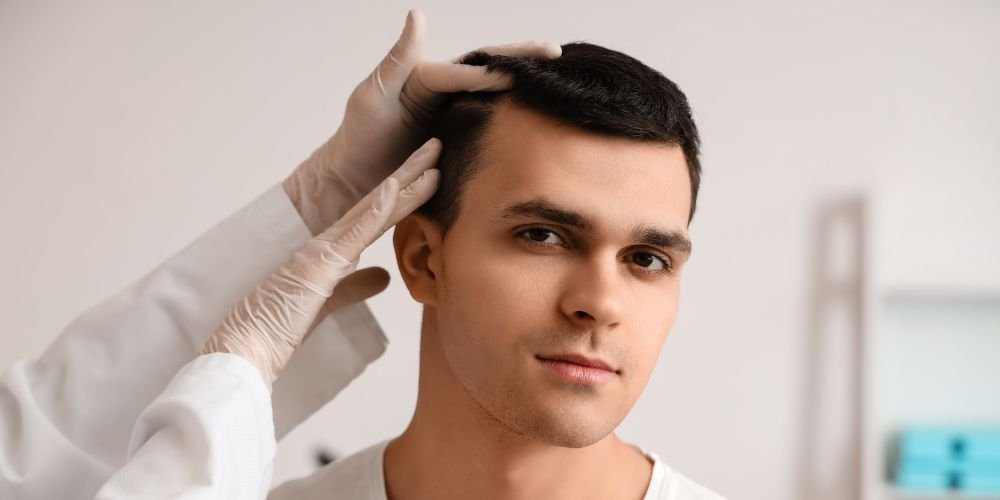
Delhi has quietly emerged as one of the most sought-after destinations for advanced hair restoration in India. Over the last decade, the city’s medical infrastructure, experienced surgeons, and globally aligned techniques have transformed what was once a niche cosmetic procedure into a mainstream, highly refined treatment. For anyone considering a hair transplant, understanding what truly defines excellence in this space is far more important than simply choosing the nearest clinic or the lowest price.
This guide explores how to identify top-tier hair transplant clinics, what modern techniques actually deliver, and how Delhi’s ecosystem supports world-class outcomes for both domestic and international patients.
Why Delhi Has Become a Hair Transplant Hub
The rise of hair transplant clinics in Delhi is not accidental. The city combines three critical advantages: access to highly trained dermatologists and plastic surgeons, competitive pricing compared to Western markets, and rapid adoption of global technologies such as FUE, FUT, and Direct Hair Implantation.
Many surgeons practicing here have trained internationally or work within multidisciplinary cosmetic centers. This exposure has led to standardized protocols in donor management, graft survival, and natural hairline design. The result is that patients today can expect outcomes that are both aesthetically refined and medically safe.
Equally important is the patient volume. High case frequency allows experienced clinics to refine their techniques continuously. In hair restoration, repetition under strict clinical protocols often translates into better graft handling, higher survival rates, and more natural density patterns.
Understanding the Science Behind Modern Hair Transplants
A successful hair transplant is not simply about moving follicles from one area to another. It is a surgical art grounded in biology, geometry, and long-term planning.
Follicular Unit Extraction has become the dominant technique in Delhi’s leading clinics because it allows individual follicle harvesting without a linear scar. When performed correctly, FUE offers faster healing and greater flexibility in donor styling. However, its success depends heavily on the surgeon’s skill in angulation, depth control, and graft preservation.
Follicular Unit Transplantation still has a place in specific high-graft cases where maximum density is required in a single session. The best clinics do not promote one technique blindly; they recommend the method that suits the patient’s scalp laxity, donor density, and long-term hair loss pattern.
Direct Hair Implantation and implanter pen methods have further refined placement accuracy. These techniques allow surgeons to control direction and density more precisely, which is crucial for natural-looking hairlines and temple restoration.
What Defines an Excellent Hair Transplant Clinic
Excellence begins with medical credibility. The presence of a qualified dermatologist or plastic surgeon who personally designs the hairline and supervises the procedure is non-negotiable. In high-quality clinics, technicians assist but do not replace the surgeon in critical steps.
Consultation quality is another defining factor. A thorough evaluation includes scalp analysis, donor mapping, family history of hair loss, and realistic expectation setting. Clinics that promise instant density or “guaranteed results” without medical assessment often prioritize marketing over medicine.
Sterility and infrastructure matter more than patients initially realize. Operating theatres should follow surgical asepsis protocols, and grafts must be stored in temperature-controlled solutions to maintain viability. Poor graft handling is one of the most common reasons for suboptimal growth.
Artistic planning separates average clinics from exceptional ones. Hairline design must consider facial proportions, age progression, and ethnic hair characteristics. An aggressive low hairline may look impressive initially but can appear unnatural as native hair continues to thin.
Cost Versus Value in Delhi’s Hair Transplant Market
Delhi offers a wide price spectrum, which can be confusing for first-time patients. Lower pricing often reflects high-volume models where multiple surgeries run simultaneously, sometimes with limited surgeon involvement. While this reduces cost, it can compromise graft quality and placement precision.
Premium clinics charge more because they limit daily case numbers, ensure surgeon-led extraction and implantation, and use advanced storage media and magnification systems. In hair transplantation, value lies in graft survival, natural density, and long-term planning rather than the per-graft rate alone.
Patients should evaluate cost in relation to the number of sessions required, the expected density, and the likelihood of needing corrective procedures later. A poorly executed transplant often ends up being more expensive due to repair surgeries.
The Patient Journey: From Consultation to Growth
The process begins with a detailed consultation where medical history, hair loss pattern, and donor strength are assessed. Blood tests may be recommended to rule out underlying conditions that affect healing or hair growth.
On the day of surgery, local anesthesia ensures a painless experience. Extraction and implantation can take several hours depending on graft count. Post-operative care instructions are crucial and include scalp hygiene protocols, medication schedules, and activity restrictions.
The most misunderstood phase is the waiting period. Transplanted hairs typically shed within the first few weeks, which is a normal part of the cycle. New growth begins around the third to fourth month, with visible density improving up to twelve months. Clinics that educate patients about this timeline demonstrate clinical maturity and transparency.
Technology and Innovation in Delhi’s Leading Clinics
Top clinics in Delhi have integrated digital hairline simulation, high-resolution trichoscopy, and motorized FUE systems with adjustable torque control. These tools allow precise harvesting while minimizing follicular trauma.
Advanced storage solutions enriched with ATP and growth factors are increasingly used to enhance graft survival. Some centers combine transplants with PRP therapy to support early growth and improve scalp vascularity.
However, technology is only as effective as the expertise behind it. Devices cannot compensate for poor surgical planning. The best outcomes still depend on the surgeon’s understanding of hair direction, density gradients, and donor preservation.
Avoiding Common Mistakes When Choosing a Clinic
One of the most frequent errors is selecting a clinic based solely on social media before-and-after images. Lighting, styling, and selective case presentation can create misleading impressions. Authentic clinics provide consistent results across different age groups and hair types.
Another mistake is ignoring donor management. Overharvesting can permanently thin the donor area, making future procedures impossible. Ethical clinics always plan for potential second sessions because hair loss is progressive.
Patients should also be cautious of clinics that delegate the entire procedure to technicians. While trained assistants are essential, critical surgical steps must remain under the direct supervision of a qualified doctor.
Medical Tourism and International Standards
Delhi attracts patients from across India, the Middle East, Europe, and Africa due to its combination of quality and affordability. Many clinics offer structured medical tourism packages that include consultation, surgery, recovery support, and follow-up coordination.
International patients should look for clinics that provide digital follow-ups, detailed operative reports, and long-term growth tracking. These practices indicate adherence to global standards rather than short-term transactional care.
Psychological Impact and Realistic Expectations
Hair restoration is not merely a cosmetic procedure; it often has profound psychological benefits. Improved self-image, professional confidence, and social comfort are commonly reported outcomes. That said, a transplant does not stop future hair loss. Long-term medical therapy may still be required to maintain native hair.
The best clinics emphasize a conservative, age-appropriate hairline and staged density planning. This approach ensures that results remain natural as the patient ages.
The Future of Hair Transplantation in Delhi
Regenerative medicine is beginning to influence hair restoration, with research focusing on stem-cell-based therapies and follicular cloning. While these technologies are not yet mainstream, Delhi’s leading clinics are actively participating in clinical research and protocol refinement.
Artificial intelligence-assisted graft counting, robotic extraction systems, and enhanced growth factor therapies are expected to further improve precision and outcomes in the coming years.
Final Thoughts
Choosing the right hair transplant clinic in Delhi requires more than comparing prices or browsing online galleries. True excellence lies in medical expertise, ethical planning, artistic design, and long-term patient care. When these elements align, the result is not just restored hair but restored confidence.
For patients willing to invest time in research and select a clinic that prioritizes quality over volume, Delhi offers some of the finest hair restoration outcomes available today. The city’s blend of surgical skill, technological advancement, and patient-centric care has positioned it as a global leader in the field.
A well-planned transplant is a lifelong decision. Selecting a clinic that respects both the science and the art of hair restoration is the first and most important step toward achieving natural, lasting results.
Leave a reply