
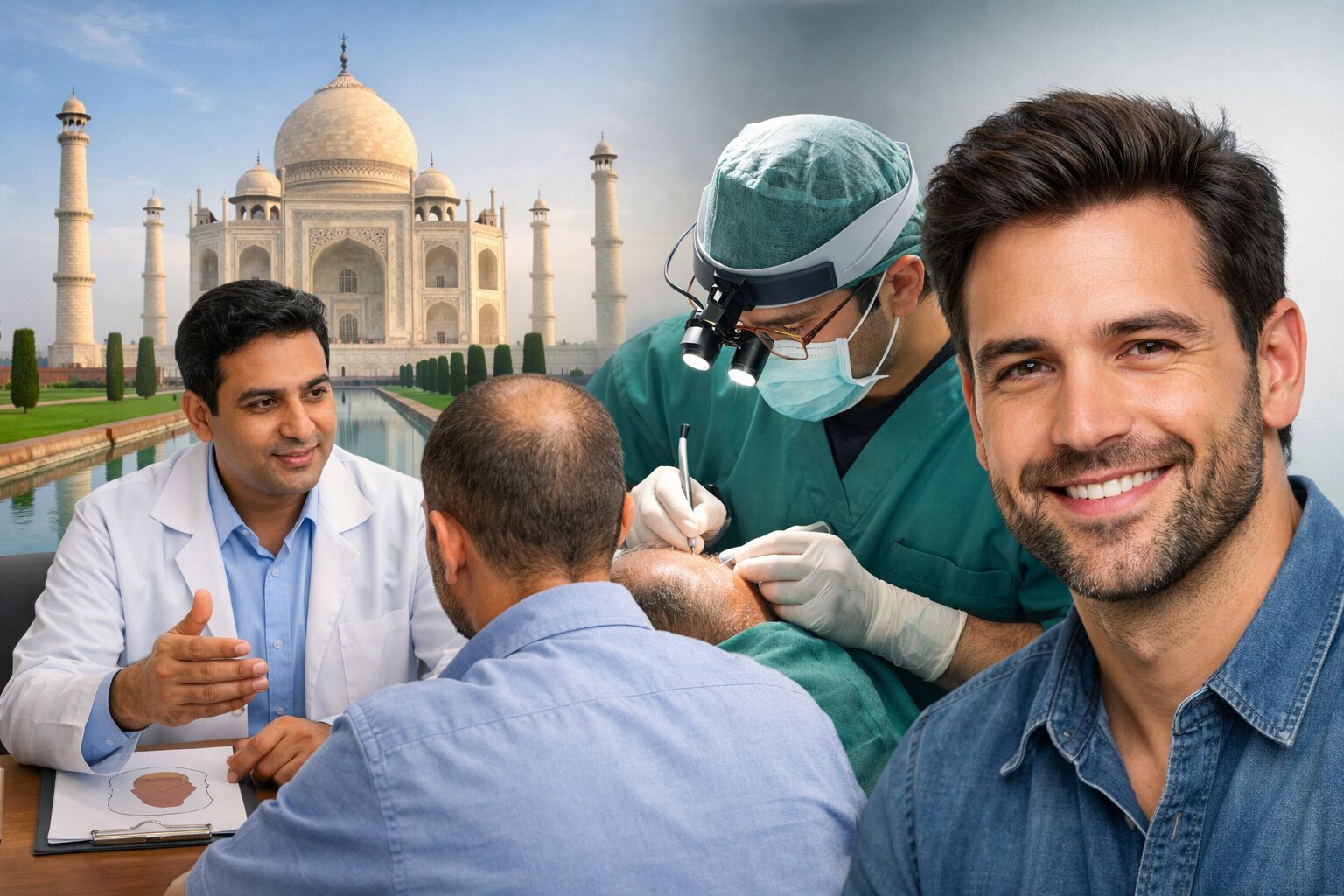
Hair loss is no longer a silent struggle. From young professionals noticing early thinning to individuals in their 40s and 50s seeking restoration, hair transplant has become one of the most discussed aesthetic procedures across India. With rising demand, clinics have multiplied in every metro city, promising dense hairlines, painless procedures and “guaranteed” results. Yet the real challenge is not finding a clinic. It is finding the right doctor.
After spending over a decade in medical content and aesthetic healthcare publishing, one pattern is clear. Patients who invest time in choosing the right surgeon rarely regret the procedure. Those who chase discounts almost always do.
The boom of hair transplant clinics in India
India has emerged as a global hub for hair restoration because of two factors: skilled dermatologic and plastic surgeons, and cost-effective procedures compared to Europe or the United States. Cities like Delhi, Mumbai, Bangalore and Hyderabad now host advanced clinics offering FUE, FUT and beard or body hair transplants. Technology has improved, but technology alone does not create natural results. The surgeon’s planning, artistic understanding of hairlines and graft placement are what separate an average transplant from an undetectable one.
Many clinics advertise the number of grafts they can implant in a single session. Patients often assume higher graft count equals better outcome. In reality, overharvesting can permanently damage the donor area. A good doctor prioritizes long-term scalp health over short-term density.
What defines a top hair transplant clinic
The best clinics are not defined by celebrity endorsements or aggressive marketing. They are defined by medical ethics, surgeon involvement and consistent results. In a trustworthy clinic, the doctor personally designs the hairline, administers anesthesia and supervises graft extraction and implantation. If technicians perform the entire surgery while the doctor appears only for photographs, that is a red flag.
Another marker of quality is transparency. Reputable clinics discuss limitations openly. They explain that a transplant cannot recreate teenage density, that multiple sessions may be required and that medical therapy is often necessary to maintain existing hair.
The importance of surgeon credentials
Hair transplant is a surgical procedure, not a salon service. The ideal doctor is a qualified dermatologist or plastic surgeon with specific training in hair restoration. Years of experience matter, but so does specialization. A general cosmetic practitioner who performs multiple unrelated procedures may not deliver the same level of refinement as a surgeon dedicated primarily to hair.
Before committing, patients should review before-and-after cases with similar hair loss patterns. A natural hairline is irregular and age-appropriate. Straight, low and overly dense hairlines may look appealing in photographs but often appear artificial in real life.
Technology versus technique
Robotic extraction, sapphire blades and implanter pens are frequently marketed as breakthroughs. While these tools can enhance precision, they do not replace surgical judgment. The angle, direction and distribution of grafts determine whether the transplanted hair will mimic natural growth. An experienced surgeon can achieve excellent results even with standard instruments, while an inexperienced team can misuse advanced tools.
Patient assessment and long-term planning
A proper consultation goes beyond counting grafts. It includes evaluating donor density, scalp laxity, hair caliber, family history of baldness and future loss patterns. Young patients, especially those in their early 20s, must be approached conservatively. Designing an aggressive hairline without considering future recession often leads to unnatural patches later in life.
Top clinics focus on long-term hair restoration strategy rather than a single procedure. They integrate medical therapy such as minoxidil or finasteride when appropriate and discuss lifestyle factors that affect hair health.
Hygiene, safety and aftercare
Sterility protocols, single-use instruments and medical-grade operation theatres are non-negotiable. Post-operative care is equally important. Clinics that provide structured follow-up, growth monitoring and direct access to the surgeon tend to produce better outcomes because complications are managed early.
The role of unbiased consultation
Many patients feel overwhelmed by conflicting advice online. This is where independent guidance becomes valuable. A consultancy like Tricho Talk helps patients understand realistic expectations, compare clinics objectively and avoid marketing traps. An ethical consultancy does not push a single surgeon but matches patients with doctors based on scalp condition, budget and long-term goals.
Cost versus value
Hair transplant pricing in India varies widely. Extremely low-cost packages often compromise on surgeon involvement, graft handling and sterilization standards. On the other hand, the most expensive clinic is not automatically the best. Value lies in surgical expertise, natural design and graft survival rate.
A poorly performed transplant is far more expensive to repair than doing it correctly the first time. Repair procedures are complex because donor hair is limited.
Choosing with clarity, not urgency
Hair loss can affect confidence deeply, which makes patients vulnerable to quick decisions. The right approach is slow and research-driven. Meeting multiple surgeons, asking detailed questions and reviewing real patient journeys helps separate marketing from medicine.
A successful hair transplant should be invisible to others and confidence-boosting for the patient. That outcome is not created by advertisements or discounts. It is created by a skilled doctor, ethical practice and informed decision-making.
Leave a reply