
Hair loss is no longer viewed as a purely cosmetic concern. By 2026, it is widely understood as a condition that affects confidence, self-image, and overall quality of life. With growing awareness and medical advancements, Platelet-Rich Plasma or PRP therapy has emerged as one of the most discussed non-surgical hair restoration treatments. At Tricho Talk, where the focus is on consultation, guidance, and realistic outcomes, PRP therapy is often a starting point for individuals seeking clarity before committing to long-term hair loss solutions.
This guide explains PRP therapy for hair in a clear, practical way, covering its benefits, cost, expected results, and possible side effects, so you can make an informed decision.
Understanding PRP Therapy for Hair
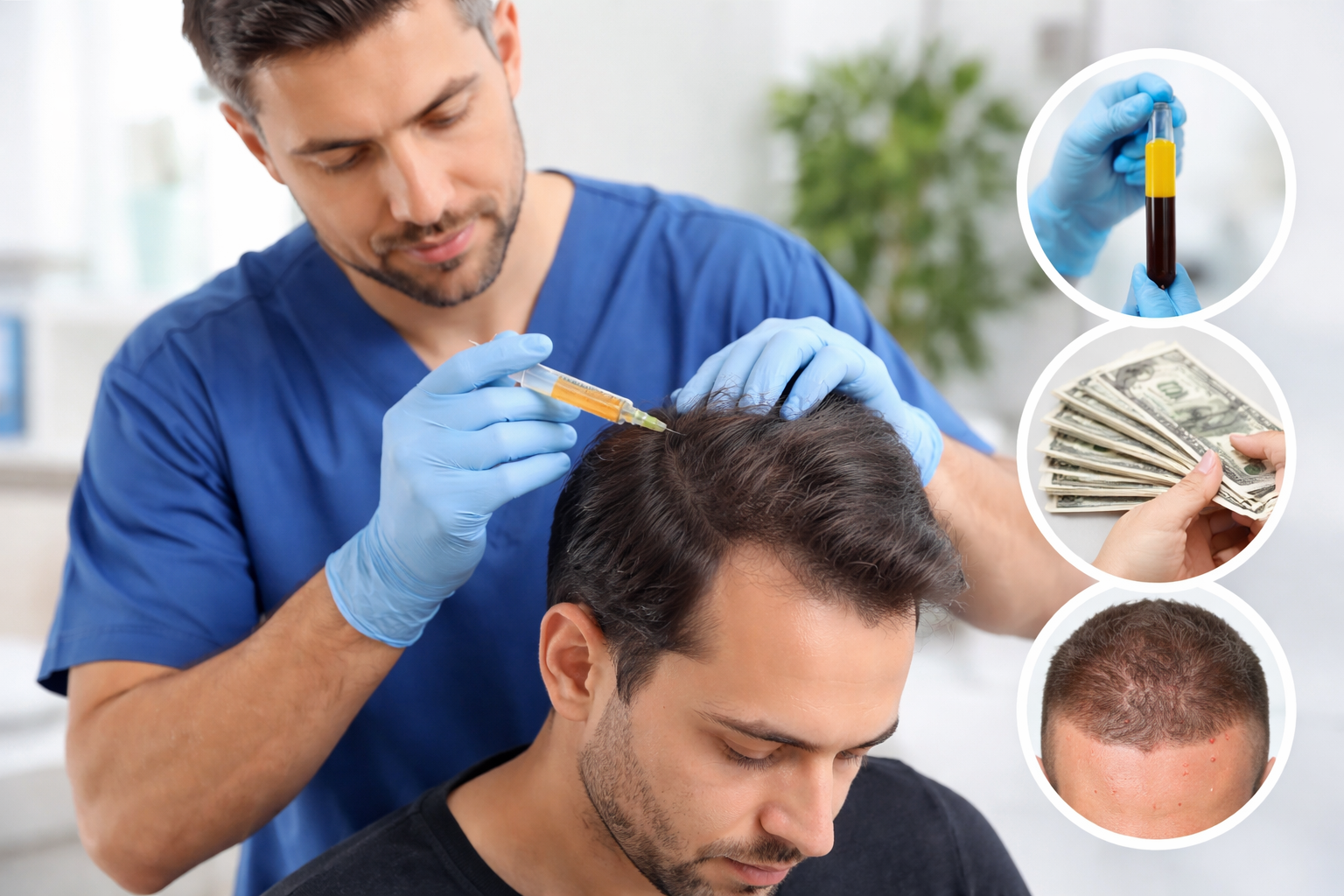
PRP therapy is a regenerative treatment that uses your own blood to stimulate hair growth. A small amount of blood is drawn and processed to concentrate platelets, which are rich in growth factors. This platelet-rich plasma is then carefully injected into areas of the scalp affected by thinning or hair fall.
The idea behind PRP is simple yet powerful. Growth factors present in platelets help improve blood supply to hair follicles, extend the hair growth phase, and strengthen existing follicles. Since the treatment uses the patient’s own blood, it is considered natural and biocompatible.
At Tricho Talk, PRP is usually discussed not as a miracle cure, but as a scientifically backed option that works best when chosen for the right candidate at the right stage of hair loss.
Who Can Benefit Most from PRP Therapy
PRP therapy is most effective for individuals experiencing early to moderate hair thinning rather than complete baldness. It is commonly recommended for androgenetic alopecia in both men and women, stress-related hair fall, postpartum hair thinning, and early stages of hair density loss.
People who still have active but weakened hair follicles tend to respond better to PRP. During consultations at Tricho Talk, emphasis is placed on scalp examination, medical history, and realistic goal setting. PRP is not positioned as a replacement for hair transplant surgery in advanced baldness, but rather as a supportive or preventive treatment.
Key Benefits of PRP Therapy for Hair
One of the biggest advantages of PRP therapy is that it is non-surgical and minimally invasive. There is no cutting, stitching, or long recovery period involved. Most individuals can return to their routine the same day.
PRP helps reduce hair fall, improve hair thickness, and enhance overall scalp health. Over time, patients often notice improved hair texture and better hair strength. Another important benefit is its role in slowing down further hair loss, which is particularly valuable for younger individuals.
From a consulting perspective, Tricho Talk often highlights PRP as a confidence-building treatment. While results are gradual, many patients feel reassured knowing they are actively addressing hair loss with a medically validated approach.
PRP Therapy Cost in 2026
In 2026, the cost of PRP therapy for hair in India typically depends on the clinic’s expertise, equipment quality, and location. On average, a single PRP session can range from ₹4,000 to ₹10,000. Most treatment plans recommend three to six sessions spaced about four to six weeks apart, followed by maintenance sessions if required.
Rather than focusing only on the per-session cost, Tricho Talk encourages patients to evaluate value. Proper diagnosis, sterile processing, experienced hands, and realistic planning matter far more than opting for the cheapest package. PRP should always be part of a structured hair management plan, not a one-time experiment.
When to Expect Results from PRP Therapy
PRP therapy does not deliver overnight results, and this is an important truth discussed during consultations. In the first few weeks, some individuals may notice reduced hair fall. Visible improvements in hair thickness and density usually begin after the third or fourth session.
By three to six months, most patients see noticeable changes in hair quality and volume. Maximum results are typically observed around six to nine months, especially when PRP is combined with medical management or lifestyle corrections.
At Tricho Talk, patients are guided to track progress patiently, understanding that consistency and follow-up play a crucial role in outcomes.
Possible Side Effects and Safety Considerations
PRP therapy is generally considered safe because it uses the patient’s own blood, minimizing the risk of allergic reactions. However, like any medical procedure, it can have mild side effects.
Some people may experience temporary scalp tenderness, redness, swelling, or a mild headache after the procedure. These effects usually subside within a day or two. In rare cases, improper technique or poor hygiene can increase the risk of infection, which is why choosing a qualified medical setup is essential.
A responsible consulting approach, such as that followed by Tricho Talk, ensures patients are informed about both benefits and limitations before starting treatment.
PRP Therapy as Part of a Long-Term Hair Plan
One common misconception is that PRP therapy alone can permanently solve hair loss. In reality, hair loss is often progressive and influenced by genetics, hormones, stress, and lifestyle factors. PRP works best when integrated into a broader, personalized hair care strategy.
In many cases, PRP is combined with medical treatments, nutritional support, or used as a maintenance therapy after a hair transplant. Tricho Talk’s consulting model focuses on helping individuals understand where PRP fits into their long-term hair journey, rather than promoting it as a standalone fix.
Is PRP Therapy Worth It in 2026?
With advancements in technology and better standardization of protocols, PRP therapy continues to be a relevant and effective option in 2026 for the right candidates. It offers a balance between safety, effectiveness, and minimal downtime, making it appealing to professionals and individuals seeking non-surgical solutions.
However, success depends largely on proper diagnosis, realistic expectations, and expert guidance. PRP is not about instant transformation, but about gradual, visible improvement and hair preservation.
At Tricho Talk, the goal is not just to recommend treatments, but to empower individuals with clarity. PRP therapy for hair, when chosen thoughtfully, can be a valuable step toward healthier hair and renewed confidence.
Leave a reply