
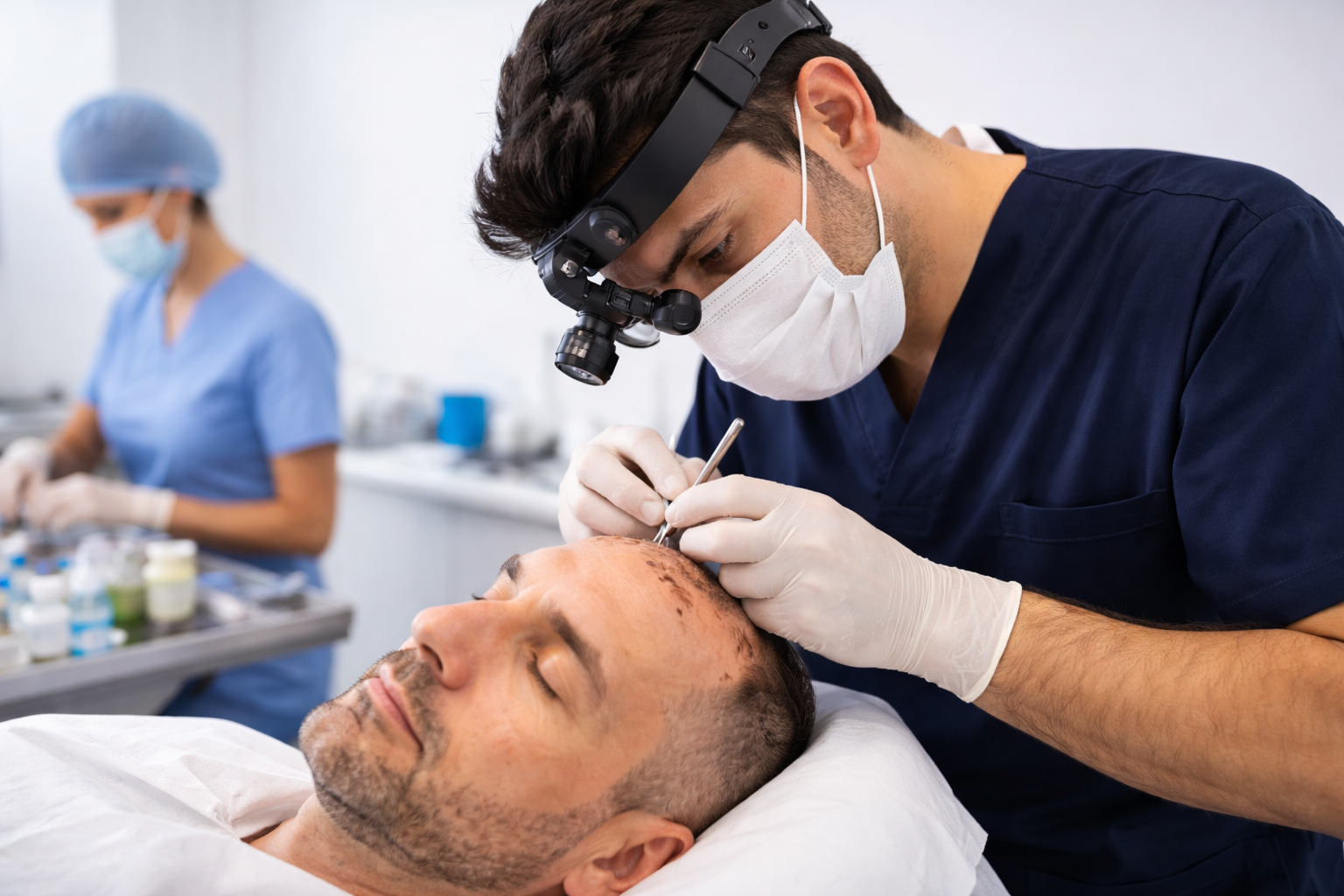
Hair transplant procedures have helped millions of people regain confidence by restoring natural hair growth. However, not every procedure delivers the desired outcome. In some cases, patients may experience unnatural hairlines, poor density, visible scars, or unsuccessful graft growth. This is where hair transplant repair surgery becomes an effective solution.
Hair transplant repair is a specialized procedure designed to correct or improve the results of a previous hair transplant. With advancements in modern hair restoration techniques, experienced surgeons can often transform unsatisfactory outcomes into natural-looking results.
Platforms like Tricho Talk help patients connect with experienced hair transplant specialists, making it easier to find the right doctor for both primary and repair procedures.
What Is Hair Transplant Repair Surgery?
Hair transplant repair surgery is a corrective treatment performed to fix or improve the results of a previous hair transplant procedure. The goal is to restore a natural hairline, improve hair density, and correct visible issues caused by earlier treatments.
Patients typically seek repair surgery for problems such as:
- Unnatural or poorly designed hairlines
- Low hair density after transplantation
- Pluggy or uneven hair grafts
- Visible donor area scars
- Failed or poorly growing grafts
- Hair direction that looks unnatural
An experienced hair restoration surgeon carefully evaluates the scalp to determine the best corrective approach.
Common Causes of Failed Hair Transplants
Hair transplant repair procedures are usually required due to several reasons. Understanding these causes can help patients avoid similar problems in the future.
1. Inexperienced Surgeons
Hair transplantation requires artistic design and surgical precision. Poor planning or improper graft placement can lead to unnatural results.
2. Outdated Techniques
Older hair transplant methods sometimes used large grafts or “pluggy” techniques, which often created unnatural hairlines.
3. Poor Donor Area Management
Overharvesting or incorrect extraction techniques can cause visible scarring in the donor area.
4. Incorrect Hairline Design
A poorly designed hairline that does not match facial structure can make results look artificial.
5. Low Graft Survival
If grafts are not handled properly during surgery, they may fail to grow.
How Hair Transplant Repair Surgery Works
Hair transplant repair is a customized procedure, and the exact technique depends on the specific issue that needs correction. However, the general process includes the following steps:
1. Detailed Consultation and Scalp Analysis
The surgeon first evaluates:
- Previous transplant results
- Donor hair availability
- Scalp health
- Hairline shape and density
This step helps create a personalized correction plan.
2. Removal or Redistribution of Old Grafts
If old grafts appear unnatural or bulky, the surgeon may:
- Remove them using advanced extraction techniques
- Reposition them in more natural locations
3. Hairline Redesign
A new hairline is designed based on:
- Facial proportions
- Age-appropriate patterns
- Natural hair growth direction
4. New Hair Transplant Procedure
In many cases, surgeons perform a fresh transplant using modern methods such as FUE (Follicular Unit Extraction) to improve density and achieve natural-looking results.
5. Scar Correction
If previous procedures left scars, techniques such as graft implantation into scar tissue or scalp micropigmentation may be used.
What Results Can You Expect?
Hair transplant repair surgery can dramatically improve previous results when performed by skilled surgeons. However, outcomes depend on several factors such as donor hair availability and scalp condition.
Most patients can expect:
- A more natural hairline
- Improved hair density
- Better hair direction and growth pattern
- Reduced visibility of scars
- Overall more balanced and natural appearance
Hair growth typically begins within 3-4 months after the procedure, with full results visible within 9-12 months.
Who Is a Good Candidate for Hair Transplant Repair?
You may be a good candidate for hair transplant repair surgery if you:
- Are unhappy with results from a previous transplant
- Have unnatural hairline placement
- Notice poor hair density or uneven graft growth
- Have visible scars from earlier procedures
- Still have sufficient donor hair available
A detailed consultation with a qualified hair restoration specialist is essential to determine the best approach.
Why Choosing the Right Doctor Matters
Hair transplant repair surgery is more complex than a first-time transplant. It requires a highly skilled surgeon who understands both hair restoration science and aesthetic hairline design.
Finding the right specialist can be challenging, which is why platforms like Tricho Talk play an important role. The platform acts as a trusted guide that connects patients with experienced hair transplant doctors, helping individuals make informed decisions about their treatment.
Recovery and Aftercare
Recovery after hair transplant repair surgery is similar to a standard hair transplant procedure.
Patients can expect:
- Mild swelling for a few days
- Small scabs around transplanted grafts
- Temporary shedding of transplanted hair (a normal process)
Doctors usually recommend:
- Avoiding heavy exercise for about a week
- Keeping the scalp clean and protected
- Following prescribed medications and hair care routines
Proper aftercare ensures optimal graft survival and better results.
Final Thoughts
Hair transplant repair surgery offers hope to individuals who are unhappy with the results of previous procedures. With advanced techniques and experienced surgeons, even complicated cases can often be corrected to achieve natural and satisfying outcomes.
If you are considering corrective treatment, consulting the right specialist is the most important step. Platforms like Tricho Talk simplify this process by helping patients find trusted and experienced hair transplant doctors who can guide them toward the best solution for their hair restoration journey.
Leave a reply