
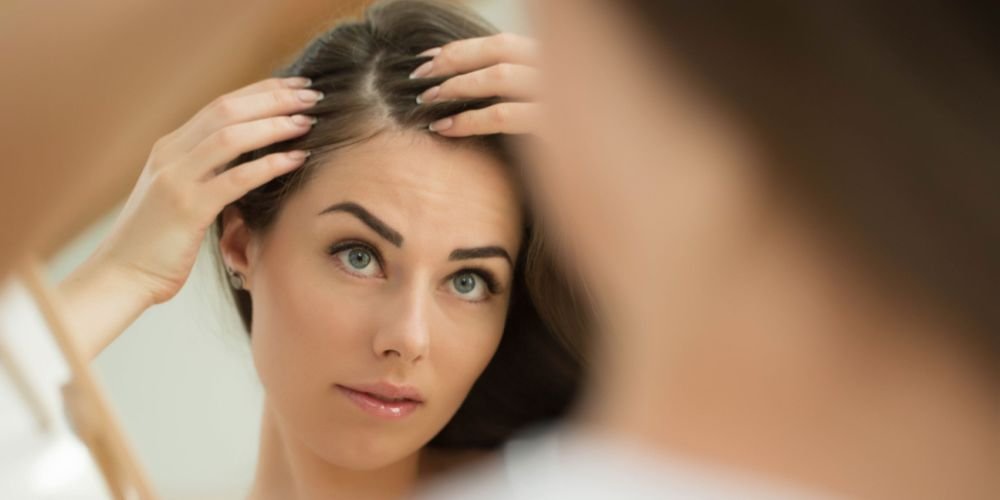
A hair transplant is not just a procedure; it is a journey that continues well beyond the operating chair. What happens in the days and weeks after surgery plays a decisive role in determining how natural, dense, and long-lasting your results will be. Thoughtful aftercare protects newly implanted grafts, reduces complications, and accelerates healing. Understanding what to expect-and what to avoid-can make the difference between an average outcome and an exceptional one.
What to Expect After a Hair Transplant Procedure
Immediately after the procedure, the scalp will feel tender and tight. Tiny grafts will be visible in the recipient area, often accompanied by mild redness and pinpoint scabs. The donor area, typically at the back of the head, may feel slightly sore. These are normal signs that the body has begun its healing process.
Most patients notice light swelling on the forehead within two to three days. This is temporary and usually subsides without intervention. The transplanted follicles remain delicate during the first two weeks, which is why careful handling of the scalp is essential.
Common Post-Transplant Surgery Side Effects
It is common to experience minor swelling, redness, itching, and scab formation. Some patients report a temporary numbness in the donor area. A phenomenon known as shock loss may occur, where existing hair around the transplanted area sheds temporarily. This can be alarming, but it is usually reversible as new growth begins in the following months.
Pain is generally mild and manageable with prescribed medication. Excessive bleeding, severe swelling, or signs of infection are not typical and should prompt immediate consultation with your surgeon.
How Long Does Hair Transplant Recovery Take?
Initial healing usually takes about 10 to 14 days. During this time, scabs fall off naturally and the scalp returns to a near-normal appearance. However, complete recovery and visible hair growth follow a longer timeline.
The transplanted hair often sheds within three to four weeks. This is a natural phase of the growth cycle and does not indicate failure of the procedure. New hair growth typically begins around the third or fourth month, with noticeable density appearing between six and nine months. Full results are generally visible after 12 months.
When Can I Expect to See Results?
Patience is essential. The first few months can feel uneventful as the scalp heals and follicles enter a resting phase. By the fourth month, fine new hairs begin to emerge. Over time, these strands thicken, darken, and blend with existing hair. By one year, most patients see the final outcome-natural hair that grows, trims, and styles like the rest.
How to Care For Your Hair After a Hair Transplant Day by Day
Day 1: Immediate Post-Transplant Care
The first day is about protection. The scalp must remain untouched except for the saline sprays or medications prescribed by your surgeon. Sleeping with the head elevated helps reduce swelling. Direct contact with pillows should be avoided, and hydration should be maintained.
Day 2-14: First Week of Recovery & Forward
Gentle washing usually begins after the second or third day, depending on your surgeon’s instructions. The technique is crucial: lukewarm water, mild shampoo, and no rubbing. Scabs should be allowed to fall off naturally. By the end of the second week, most visible signs of surgery fade, and normal washing can resume with care.
Day 15 & Onward
By the third week, the grafts are secure. Light physical activity may resume, and the scalp looks largely normal. Shedding of transplanted hair may begin, which is part of the natural cycle. Continued gentle care and adherence to medical advice remain important.
Additional Hair Transplant Aftercare Tips
Sun exposure should be avoided for at least a month, as UV rays can damage healing skin and affect graft survival. Wearing a loose-fitting cap when outdoors can offer protection. Hydration, adequate sleep, and stress management all contribute to better healing.
Medications & Shampoos for Hair Transplant Recovery
Surgeons often prescribe antibiotics to prevent infection, anti-inflammatory medication to reduce swelling, and mild pain relievers. Medicated lotions or saline sprays help keep grafts hydrated in the initial days. A gentle, sulfate-free shampoo is usually recommended once washing begins. Some patients are advised to use minoxidil or finasteride after a few weeks to support long-term hair retention, depending on their diagnosis.
When Can Normal Activities Be Resumed?
Most patients return to non-strenuous work within three to five days. Exercise, gym workouts, and heavy lifting should be avoided for at least two weeks to prevent sweating and pressure on grafts. Swimming, saunas, and steam rooms should be postponed for about a month. Hair styling products and haircuts in the transplanted area are usually safe after three to four weeks.
The Do’s & Don’ts of Hair Transplant Recovery
Successful recovery depends on mindful habits. Touching, scratching, or picking at the grafts can dislodge follicles. Tight helmets, harsh shampoos, and chemical treatments should be avoided during the early healing phase. Smoking and alcohol can impair blood circulation and delay recovery, so limiting or avoiding them during the first few weeks is advisable.
Avoid Activities That Can Damage Transplanted Hair
Any activity that causes friction, excessive sweating, or direct trauma to the scalp can compromise graft survival. Even something as simple as pulling a T-shirt over the head must be done carefully in the first week.
Post-Hair Transplant Activities to Avoid
Contact sports, intense sun exposure, and long travel without proper head support are best postponed during the initial recovery period. The goal is to protect the grafts while they anchor into the scalp.
Diet & Nutrition to Follow After a Hair Transplant
Nutrition plays a subtle but important role in healing. A diet rich in protein supports tissue repair, while vitamins such as biotin, vitamin D, zinc, and iron contribute to hair health. Fresh fruits, vegetables, nuts, and adequate water intake help the body recover efficiently.
When Should You Contact Your Hair Transplant Surgeon?
While mild discomfort is normal, persistent pain, excessive swelling around the eyes, pus formation, fever, or unusual redness should not be ignored. Early medical intervention prevents complications and protects the final result.
Hair Transplant Procedure Follow-Up Care
Follow-up appointments allow the surgeon to monitor healing, remove any remaining scabs if necessary, and guide you on restarting treatments such as minoxidil. These visits also help assess growth progress and address concerns.
Attend Follow-Up Appointments as Directed
Skipping follow-ups can mean missing early signs of issues that are easily manageable. Regular reviews ensure that your recovery stays on track and that the transplanted follicles are progressing as expected.
When Can I Schedule My Next Hair Transplant Procedure?
If additional density is required, a second session is usually considered after 9 to 12 months, once the full results of the first procedure are visible. This allows accurate planning and ensures the donor area has healed completely.
Hair transplant success is not defined on the day of surgery but in the months that follow. Careful aftercare, realistic expectations, and consistent communication with your surgeon create the foundation for natural, long-lasting results. Treat the recovery phase with the same seriousness as the procedure itself, and your new hair will reward you with growth that looks and feels entirely your own.
Begin your hair restoration journey with the confidence that comes from expert care and a personalised treatment plan. At TrichoTalk, you can consult with an experienced hair transplant specialist in Delhi who focuses on advanced techniques, natural-looking outcomes, and patient-first recovery support. With the right strategy, consistent follow-up, and professional guidance, achieving a fuller hairline and renewed confidence becomes a realistic and rewarding experience.
Leave a reply