
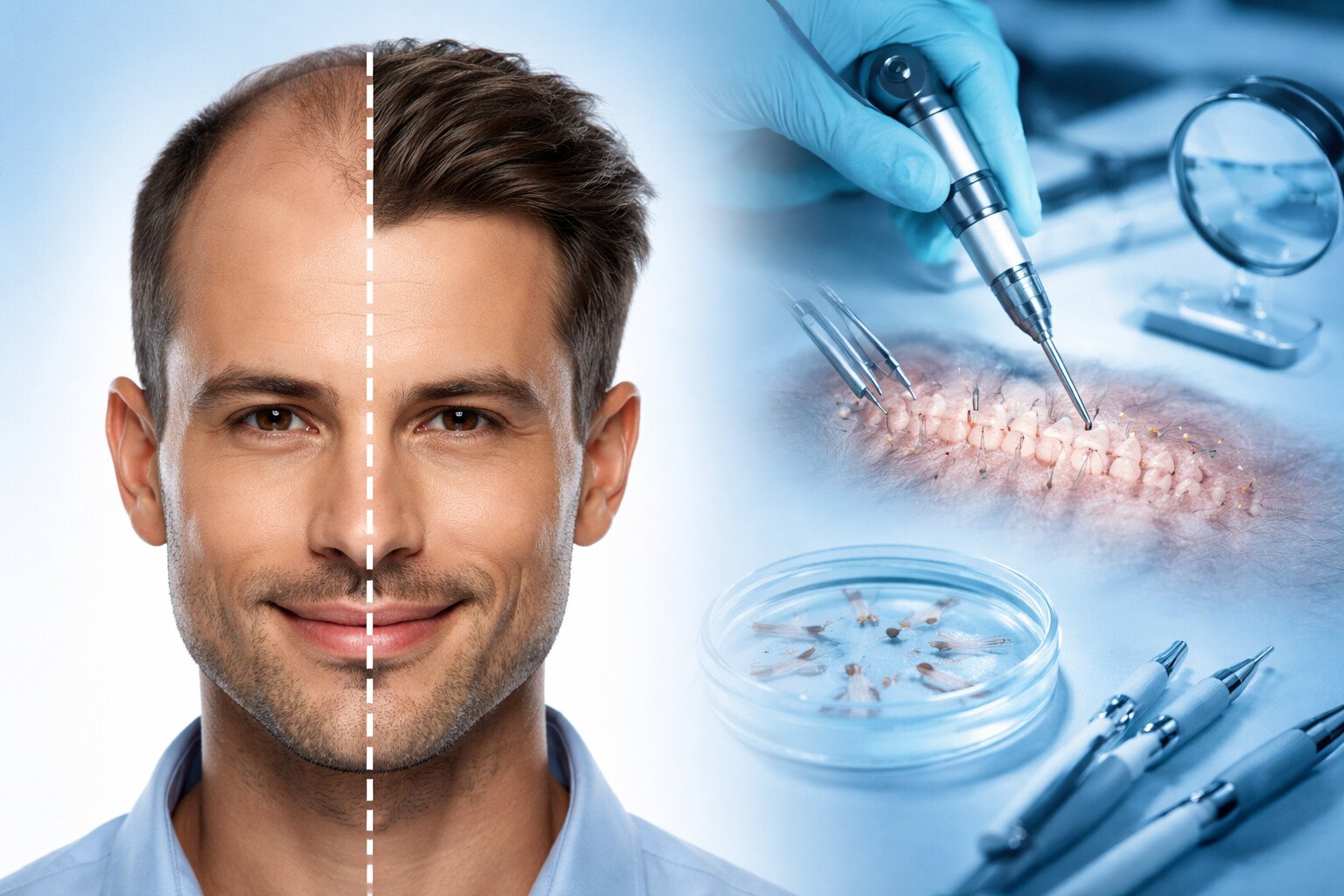
Hair loss is not just a cosmetic concern; for many people, it quietly affects confidence, self-image, and social comfort. Thinning hairlines, widening parts, or visible bald patches can make individuals feel older than they are or hesitant in professional and personal interactions. Over the last decade, however, hair restoration has evolved dramatically. Modern hair transplant solutions are safer, more precise, and far more natural-looking than ever before. This guide explains today’s hair transplant options in a clear, honest, and experience-driven way, just as a senior editor with years of exposure to medical content would present it.
Understanding Hair Loss Before Treatment
Before considering a hair transplant, it is important to understand why hair loss happens. In most men and many women, the primary cause is genetic hair loss, medically known as androgenetic alopecia. This condition causes hair follicles to shrink over time, leading to thinner strands and eventually no growth at all in affected areas. Other factors such as hormonal changes, stress, nutritional deficiencies, medical conditions, or certain medications can also contribute to hair thinning.
Also Read:- Top 10 Benefits of Hair Transplant You Should Know
An experienced hair transplant specialist does not rush directly into surgery. A proper evaluation is essential to determine whether hair loss is stable, progressive, or temporary. This assessment ensures that a transplant, if advised, delivers long-term and predictable results.
What Makes Modern Hair Transplants Different
Older hair transplant techniques often resulted in unnatural “plug-like” hair growth. Today’s procedures focus on artistic design, follicle-level precision, and minimal scarring. Modern hair transplants work on the principle of redistributing healthy hair follicles from donor areas, usually the back or sides of the scalp, to thinning or bald areas.
The biggest advancement lies in how these follicles are extracted and implanted. Surgeons now use high-magnification tools and refined techniques that protect each follicle, allowing transplanted hair to grow naturally and blend seamlessly with existing hair. The goal is not just to restore hair, but to recreate a natural hairline that suits the patient’s age, facial structure, and future hair loss pattern.
Common Modern Hair Transplant Techniques
Among the most widely used methods today is Follicular Unit Extraction, commonly known as FUE. In this technique, individual hair follicles are carefully extracted one by one and then implanted into the recipient area. FUE is popular because it does not leave a long linear scar and allows for faster recovery.
Also Read:- Best Hair Transplant Clinic in Delhi: Complete Guide for 2026
Another advanced option is Direct Hair Implantation, or DHI. This method uses a specialized implanter tool that allows the surgeon to place follicles directly into the scalp without creating prior incisions. DHI offers better control over angle and depth, which can result in higher density and a more natural appearance, especially in the hairline area.
The choice of technique depends on factors such as the extent of hair loss, donor hair quality, scalp condition, and the patient’s expectations. An expert surgeon will recommend the most suitable approach rather than offering a one-size-fits-all solution.
The Hair Transplant Journey: What to Expect
A hair transplant is typically a day-care procedure performed under local anesthesia. The patient remains awake but comfortable throughout the process. Depending on the number of grafts required, the procedure can take several hours.
After the transplant, mild swelling, redness, or scabbing is normal and usually subsides within a few days. Most patients can return to non-strenuous work within a few days, although complete healing and visible growth take time. Transplanted hair usually sheds within the first few weeks, which is a normal part of the process. New hair growth begins gradually after three to four months, with noticeable improvement by six months and full results visible around twelve months.
Also Read:- Hair Transplant Cost in Bhubaneswar
Patience is a key part of the journey. Hair transplantation is not an instant transformation, but a progressive and lasting one.
Natural Results Depend on Expertise
The success of a hair transplant depends far more on the surgeon’s experience than on the technique alone. Designing a natural hairline requires a deep understanding of facial harmony, hair direction, and future hair loss patterns. Overly dense or poorly angled graft placement can make results look artificial.
A skilled hair transplant expert focuses on long-term aesthetics. This includes planning for possible future hair loss and preserving donor hair for potential follow-up procedures. When done correctly, a modern hair transplant is virtually undetectable and ages naturally with the patient.
Life After a Hair Transplant
A common misconception is that transplanted hair requires special maintenance forever. In reality, transplanted hair behaves like normal hair. It can be washed, cut, styled, and colored just like the rest of the hair. However, doctors often recommend supportive treatments such as medications or lifestyle changes to protect existing natural hair and slow further hair loss.
Also Read:- Hair Transplant Cost in Delhi: A Complete Guide for First-Time Patients
A healthy scalp, balanced nutrition, and stress management also play a role in maintaining results. Hair restoration is most effective when approached as part of an overall hair health strategy rather than a standalone procedure.
Frequently Asked Questions
Is a hair transplant permanent?
Yes, hair transplanted from the donor area is genetically resistant to hair loss and usually lasts a lifetime. However, existing non-transplanted hair may continue to thin over time, which is why long-term planning is important.
Does a hair transplant look natural?
When performed by an experienced specialist using modern techniques, hair transplants look extremely natural. The key lies in proper hairline design, correct graft placement, and realistic density planning.
Is the procedure painful?
Most patients experience minimal discomfort. Local anesthesia ensures that pain during the procedure is very limited, and any post-procedure soreness is usually mild and temporary.
Who is a good candidate for a hair transplant?
Individuals with stable hair loss, good donor hair density, and realistic expectations are generally good candidates. A detailed consultation is essential to confirm suitability.
How long does it take to see results?
Initial hair growth typically starts after three to four months. Visible improvement appears around six months, while final results can take up to a year.
Final Thoughts
Modern hair transplant solutions have transformed the way hair loss is treated. What was once considered a cosmetic gamble is now a refined medical-artistic procedure backed by science and experience. For those struggling with hair loss, the journey from bald to bold is no longer about hiding the problem, but about addressing it with confidence and clarity.
Choosing the right clinic and an experienced specialist makes all the difference. With proper planning, realistic expectations, and expert execution, a hair transplant can restore not just hair, but self-assurance and comfort in one’s own appearance.
👉 Visit our website: https://trichotalk.in/
Leave a reply