
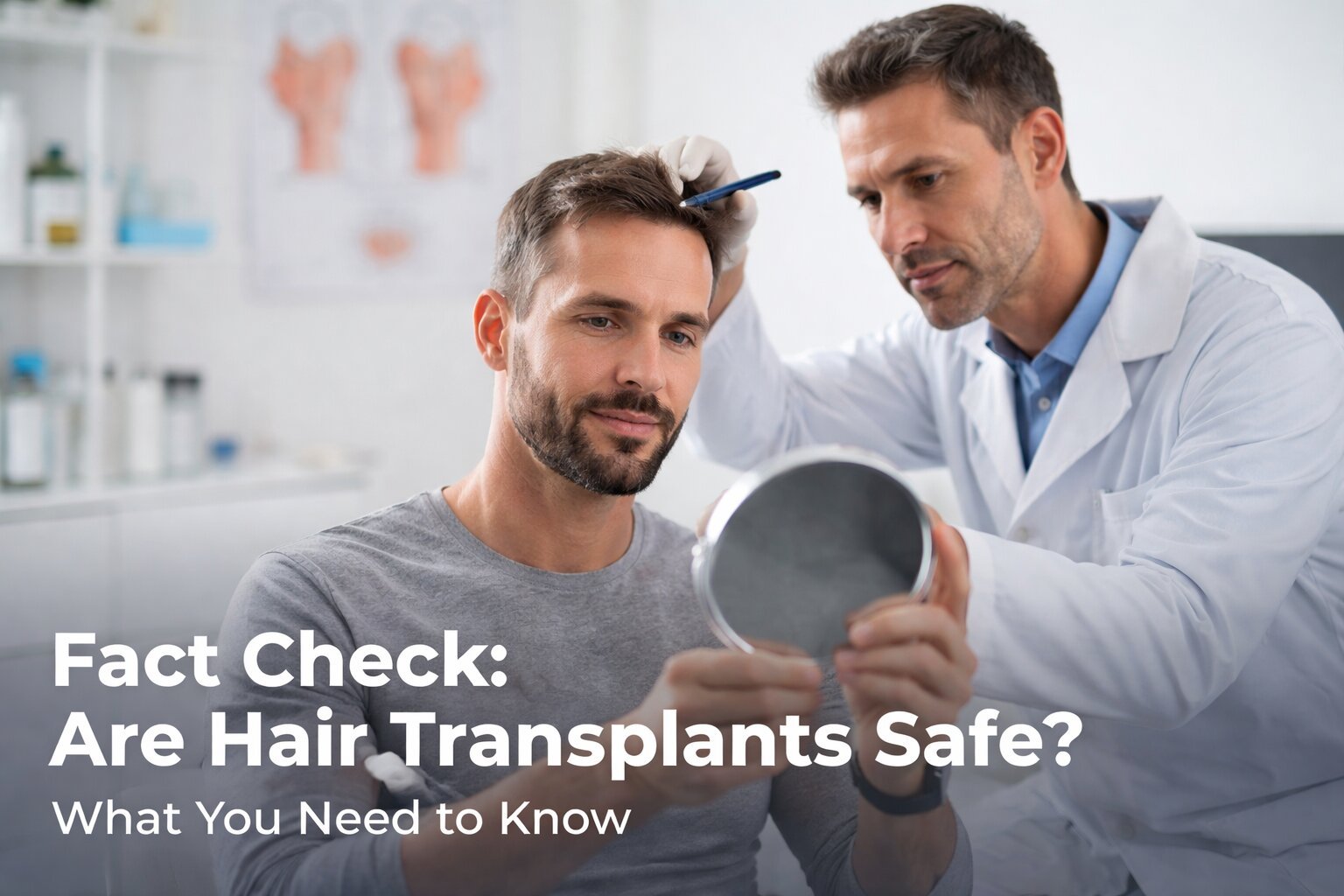
Hair loss is no longer a silent struggle. With growing awareness and advances in medical technology, more people are exploring permanent solutions such as hair transplants. Yet one question continues to dominate online searches and clinic consultations alike: Are hair transplants actually safe?
The short answer is yes-when performed correctly by a qualified specialist, hair transplant procedures are considered safe and effective. However, like any medical procedure, the outcome depends heavily on the surgeon’s expertise, the clinic’s hygiene standards, and the patient’s overall health. Understanding the facts behind the procedure can help you make a confident and informed decision.
Understanding What a Hair Transplant Really Involves
A hair transplant is a minor surgical procedure in which hair follicles are taken from a donor area-usually the back or sides of the scalp-and implanted into thinning or balding areas. Modern techniques such as Follicular Unit Extraction (FUE) and Follicular Unit Transplantation (FUT) are minimally invasive and designed to create natural-looking results.
Unlike temporary solutions like wigs or topical treatments, a transplant uses your own hair, making it a long-term and natural option. Because the transplanted hair is resistant to the hormone responsible for pattern baldness, it continues to grow even years after the procedure.
Is the Procedure Medically Safe?
From a clinical perspective, hair transplants are considered safe when performed in a regulated medical environment. The procedure is typically done under local anesthesia, meaning patients remain awake but feel little to no pain. Most individuals are able to return home the same day and resume routine activities within a few days.
Complications are rare but can occur if proper medical protocols are not followed. Temporary swelling, mild discomfort, or redness in the treated area is normal and usually resolves within a week. Serious complications such as infection or scarring are uncommon and often linked to unqualified practitioners or poorly maintained clinics rather than the procedure itself.
The Real Risk: Choosing the Wrong Surgeon
While the technique itself is safe, the biggest risk in hair transplantation lies in choosing an inexperienced or unlicensed provider. The rising demand for cosmetic procedures has led to a surge in unregulated clinics offering cheaper packages, sometimes performed by technicians instead of certified doctors.
A poorly executed transplant can lead to unnatural hairlines, patchy density, visible scarring, and even permanent damage to the donor area. In such cases, corrective procedures become more complex and expensive than the original treatment.
This is why medical experts consistently emphasize that the safety of a hair transplant is not just about the technology used but about the qualifications and ethical practices of the surgeon performing it.
Why Expert Guidance Matters Before the Procedure
Many patients begin their search online, comparing prices, browsing before-and-after photos, and reading reviews. However, it can be difficult to verify which clinics are genuinely trustworthy and which are simply good at marketing.
This is where professional guidance platforms play an important role. Tricho Talk works like a casting system for hair transplant patients, evaluating individual cases and suggesting the most suitable and experienced doctors based on specific needs. Instead of randomly contacting multiple clinics, patients receive curated recommendations, reducing the risk of falling into the hands of inexperienced providers.
By bridging the gap between patients and qualified specialists, such platforms help people make safer choices and avoid costly mistakes. This approach not only improves outcomes but also adds a layer of transparency to an industry where information is often scattered or misleading.
Who Is an Ideal Candidate for a Safe Hair Transplant?
Safety also depends on whether a patient is medically and cosmetically suitable for the procedure. Not everyone experiencing hair loss is an immediate candidate for transplantation. Factors such as age, stage of hair loss, donor hair density, and overall scalp health must be carefully evaluated.
Younger patients with rapidly progressing hair loss may be advised to delay surgery until the pattern stabilizes. Similarly, individuals with certain medical conditions or unrealistic expectations may be encouraged to consider alternative treatments before opting for surgery. A qualified specialist will always prioritize long-term results and patient safety over performing a quick procedure.
What Happens During Recovery and Is It Risky?
The recovery phase is generally smooth and predictable. Tiny scabs form around the transplanted follicles and fall off within ten to fourteen days. Shedding of the transplanted hair during the first month is completely normal and part of the natural growth cycle. Permanent hair growth typically begins around three to four months after the procedure, with full results visible within a year.
Infections and complications during recovery are rare when patients follow post-operative instructions carefully. These usually include avoiding strenuous activity, protecting the scalp from direct sunlight, and using prescribed medications or shampoos. Regular follow-ups with the doctor ensure that healing is progressing as expected.
Debunking Common Myths About Hair Transplant Safety
One of the biggest misconceptions is that hair transplants look artificial or plug-like. This was true decades ago when outdated techniques were common. Modern procedures focus on transplanting individual follicular units, allowing surgeons to design hairlines that match the patient’s natural growth pattern.
Another myth is that the procedure is extremely painful. In reality, local anesthesia keeps patients comfortable throughout the surgery, and most describe the experience as mildly uncomfortable rather than painful. Post-procedure soreness is typically manageable with basic medication.
There is also a belief that transplanted hair may fall out permanently. In fact, while temporary shedding is expected, the follicles themselves remain intact and eventually produce new hair that continues to grow naturally.
The Role of Technology and Standards in Making Transplants Safer
Advancements in surgical tools, magnification systems, and graft preservation techniques have significantly improved the safety and precision of hair transplants. Clinics that follow international medical standards use sterile instruments, trained surgical teams, and advanced implantation methods to minimize trauma to the scalp.
Digital planning tools now allow doctors to simulate hairline designs and calculate the number of grafts required, helping patients understand expected results before the procedure even begins. This transparency further enhances patient confidence and safety.
Why Research and Verified Platforms Are Becoming Essential
In today’s digital landscape, anyone can create a professional-looking clinic website or post edited before-and-after photos. This makes it difficult for patients to distinguish genuine expertise from marketing claims. Verified consultation platforms like Tricho Talk help filter this noise by recommending doctors based on credentials, experience, and patient suitability rather than promotional budgets.
This “casting-style” approach ensures that patients are matched with specialists who have a proven track record in handling similar hair loss patterns, scalp conditions, and aesthetic expectations. As a result, the chances of complications or dissatisfaction are significantly reduced.
Final Verdict: Are Hair Transplants Truly Safe?
Hair transplants are considered a safe and reliable solution for hair loss when performed by qualified professionals in a medically regulated environment. The procedure has evolved into a refined and predictable treatment with high patient satisfaction rates worldwide.
However, safety is not automatic. It depends on careful patient selection, proper surgical technique, and post-operative care. Choosing the right doctor is the single most important factor influencing both safety and results.
For individuals exploring this option, using trusted recommendation platforms like Tricho Talk can simplify the decision-making process and connect them with experienced surgeons who prioritize ethical practice and long-term outcomes.
In the end, a hair transplant is not just about restoring hair-it is about restoring confidence. Taking the time to verify information, consult experts, and choose the right medical professional ensures that this journey is both safe and rewarding.
Leave a reply